
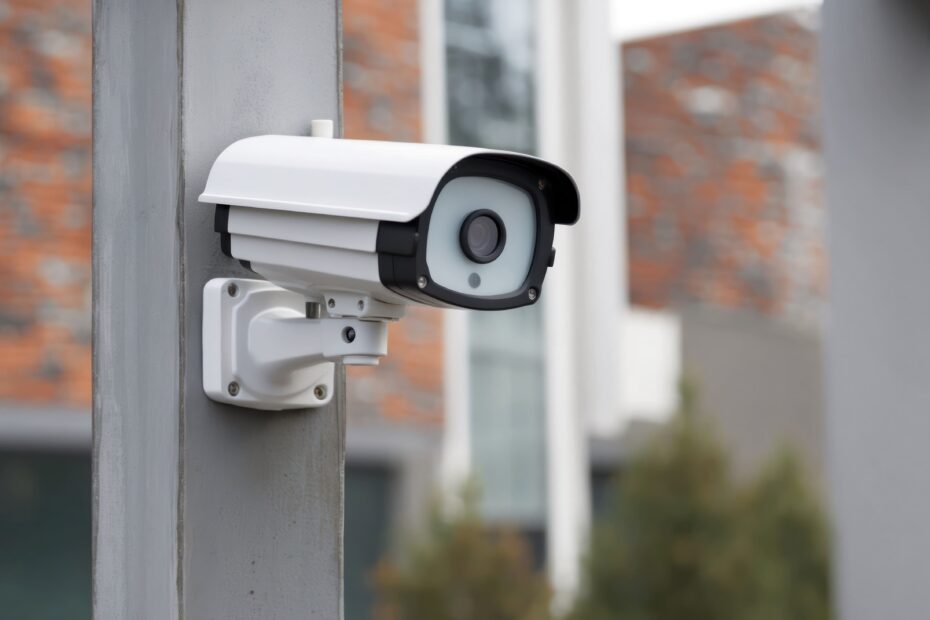
Security is no longer optional for businesses in Singapore. Break-ins, internal theft, safety risks and the need for remote control have pushed many companies to upgrade their protection. CCTV now sits at the centre of modern workplace security.
Many owners rely on commercial security cameras to keep watch, reduce risks and help teams work with confidence. These systems give steady oversight of daily activity and help managers respond quickly when something looks wrong.
What Makes CCTV ‘Commercial-Grade’?
Home cameras work well for small spaces. Yet business sites need something stronger. Commercial systems come with tougher builds, wider coverage and long-term performance. They are made for long hours and harsh conditions. They also support larger networks and more storage. This makes them suitable for offices, shops, warehouses and any space with constant movement.
Key Differences
- Thick and sturdy housing for better protection
- Easy network expansion for growing sites
- Support for long storage periods
- Built-in analytics that alert staff to trouble
Businesses need systems they can trust during busy days and silent nights. That is why commercial-grade CCTV has become the standard.
Key Features Businesses Should Look For
High Resolution and Wide Coverage
Clear images matter. When a case happens, companies need to see faces, objects and actions with no guesswork. HD and 4K cameras help identify details fast. They also help reduce false reports. Large areas, like warehouses, need more coverage. Multi-camera setups help cover shelves, loading bays and blind spots. This makes movement easier to track from the start of a shift to the end.
Smart Analytics and AI Detection
Modern CCTV does more than record. It can detect humans, track movement and raise alerts. Shops rely on smart analytics to catch theft. Warehouses use it to watch inventory and keep workers safe. Object tracking helps managers see what happens when items are moved. This also helps during stock checks and investigations.
Remote Monitoring and Mobile Access
Business owners move between sites. Staff may work off-site. Because of this, remote access has become essential. With mobile-friendly IP systems, managers can check live footage from any location. They can respond fast to emergencies or verify updates from their team. This works well for stores, offices and multi-branch setups.
Storage Options: NVR, Cloud and Hybrid
Commercial sites deal with long hours. They also handle more incidents than homes. Because of that, storage is vital. NVRs hold large amounts of footage on-site. Cloud storage gives backup in case the equipment fails. Hybrid setups allow companies to use both. This helps keep evidence safe and ready when needed. Many businesses store clips for 14, 30 or 60 days, depending on their risk level.
Scalability for Multi-Site Operations
Many companies run more than one location. They need systems that expand when new branches open. Commercial-grade setups make it easy to add new cameras and recorders. Whether a business runs an office, a retail chain or a large warehouse, a scalable system keeps upgrades simple. This also keeps long-term costs lower.
Durability and Weather Resistance
Some cameras work indoors. Others face rain, heat, dust and tough conditions. Outdoor models need strong casing and weather protection. Industrial areas, car parks and open yards need durable builds. These keep the system running even when conditions change. Durability is key for places that operate round-the-clock.
How CCTV Protects Different Types of Businesses
Office Spaces
Offices need to protect staff and data. CCTV helps prevent unauthorised access. It also monitors server rooms, emergency exits and storage areas. Teams work better when they feel safe. Wireless IP setups work well in offices because they keep spaces neat and easy to manage. They also help track contractors and visitors without slowing down daily tasks.
Retail Shops
Retail stores face constant movement. Customers browse, staff serve, and goods move in and out. CCTV helps reduce shoplifting and monitors POS counters. It also supports dispute cases when a customer makes a complaint. Since retail relies on service, cameras also help managers guide staff and improve training. Clear footage creates fair outcomes in any conflict.
Warehouses and Industrial Sites
Warehouses need coverage across large floors. Boxes, pallets and workers move all day. Cameras help track inventory and watch loading bays. They also keep an eye on restricted areas. This is vital because internal theft can happen in any industry. Wide-angle cameras reduce blind spots. Long-range models help track movement from one end of the site to the other. This keeps operations smooth and secure.
Restaurants and F&B Outlets
Food and safety rules are strict in this sector. CCTV helps track customer areas, kitchens and storage rooms. It supports hygiene checks and keeps teams accountable. It also helps owners review incidents and handle customer issues. Clear footage protects both staff and guests. Managers can also reduce waste and improve workflow.
Clinics, Gyms and Service Businesses
These places deal with people all day. They also store valuable tools and machines. CCTV helps maintain safety, protect equipment and prevent disputes. In gyms, cameras watch entrances and training areas. In clinics, they watch waiting rooms and hallways. In salons and other service spots, they help track customer flow and staff performance.
Benefits of Using Commercial Security Cameras
Every business faces different risks. Yet CCTV helps reduce them across the board. Here are the most common benefits:
- Strong deterrence against crime
- Support for real-time decisions
- Solid evidence for disputes and insurance cases
- Better enforcement of company rules
- Clear records for HR and performance checks
- Better compliance with PDPA for responsible footage handling
These benefits help companies stay safe, protect their people and meet regulations.
Tips for Choosing the Right CCTV System
Assess the Space
Walk through the site and list the key danger points. Entrances, exits, cash counters, storage rooms and production floors all need focus.
Choose the Right Camera Type
Indoor cameras cover work areas. Outdoor cameras guard perimeters. Warehouses may need long-range or panoramic models. Pick cameras that match each area.
Plan Good Placement
Place cameras high and at wide angles. Avoid glare and shadows. Think about blind spots. Good planning reduces the need for extra units.
Pick a Good Storage Duration
Choose 14, 30 or 60+ days based on your industry. Retail and industrial sites often need longer storage. Offices may manage with less.
Check Network Security
Strong passwords and updated firmware protect the system. This prevents unauthorised access to your footage.
Plan for the Future
Pick a setup that can grow with your business. Expansion should be easy and smooth.
Conclusion
CCTV plays a key role in protecting every type of business. It helps offices stay secure, shops reduce loss, warehouses control movement, and service outlets keep customers safe. With the right design, commercial security cameras support daily work and long-term growth. If you want a system that fits your business needs, reach out for a tailored plan that keeps your site secure and ready for the future.
Kirin CCTV builds systems that match the needs of modern Singapore businesses. Our team plans, installs and maintains CCTV setups that stay reliable through daily use. If you want a system that fits your space and future goals, Kirin CCTV is ready to help you protect what matters most.