
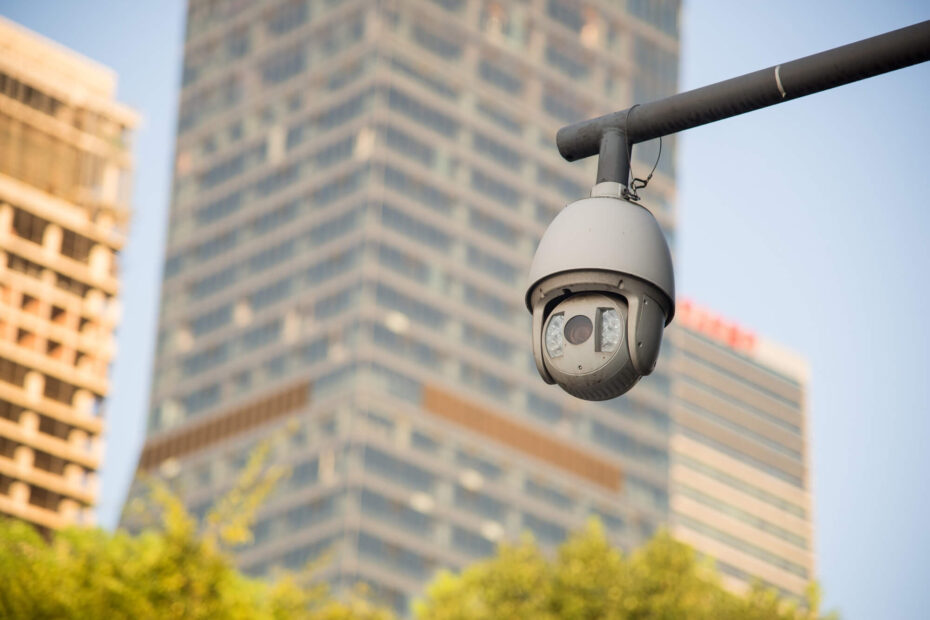
Keeping a commercial property secure is essential for protecting your business, employees, and valuable assets. Theft, vandalism, and unauthorised access can disrupt daily operations, damage property, and result in costly losses. Investing in commercial security cameras, access control systems, and smart monitoring solutions allows business owners to monitor their premises and respond quickly to potential security threats.
An effective security strategy combines modern technology with regular inspections and practical safety measures. When these work together, businesses can significantly reduce security risks and maintain a safer environment. Here are seven practical ways to improve the security of your commercial property.
Why Commercial Property Security Matters
Commercial property security plays an important role in maintaining smooth business operations while protecting people and valuable assets. A reliable security system helps minimise theft, vandalism, and damage to equipment, inventory, and facilities. It also creates a safer workplace, giving employees greater confidence while carrying out their daily responsibilities.
Strong security measures can also reduce financial losses by preventing costly repairs, business interruptions, and replacement expenses. For commercial buildings with multiple tenants, effective security systems improve confidence by protecting entrances, shared spaces, and restricted areas, creating a safer and more secure environment for everyone.
How to Keep Your Commercial Space Safe and Secure
A comprehensive security strategy combines commercial security cameras, access control, alarm systems, lighting, visitor management, and regular security inspections to minimise risks and strengthen overall protection.
1. Install CCTV Surveillance Systems
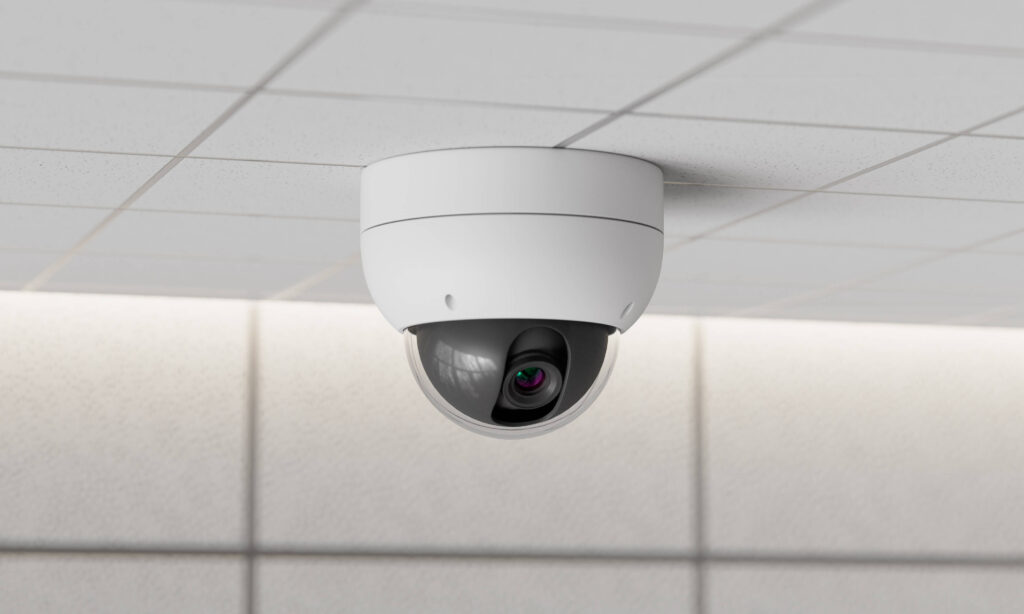
CCTV surveillance systems provide continuous monitoring of important areas throughout the day and night. Cameras positioned at entrances, corridors, warehouses, loading bays, car parks, and other key locations help deter criminal activity while recording valuable evidence when incidents occur.
Modern systems equipped with night vision and smart analytics improve visibility in low-light conditions and allow security personnel to identify suspicious behaviour more efficiently.
2. Use Access Control Systems

Traditional keys can be misplaced, duplicated, or stolen, creating unnecessary security risks. Access control systems offer a more secure way to manage who enters different areas of the property.
Employees can gain access using access cards, PIN codes, biometric verification, or mobile credentials, while administrators can assign different access levels and review entry records whenever required.
3. Improve Lighting Around the Property
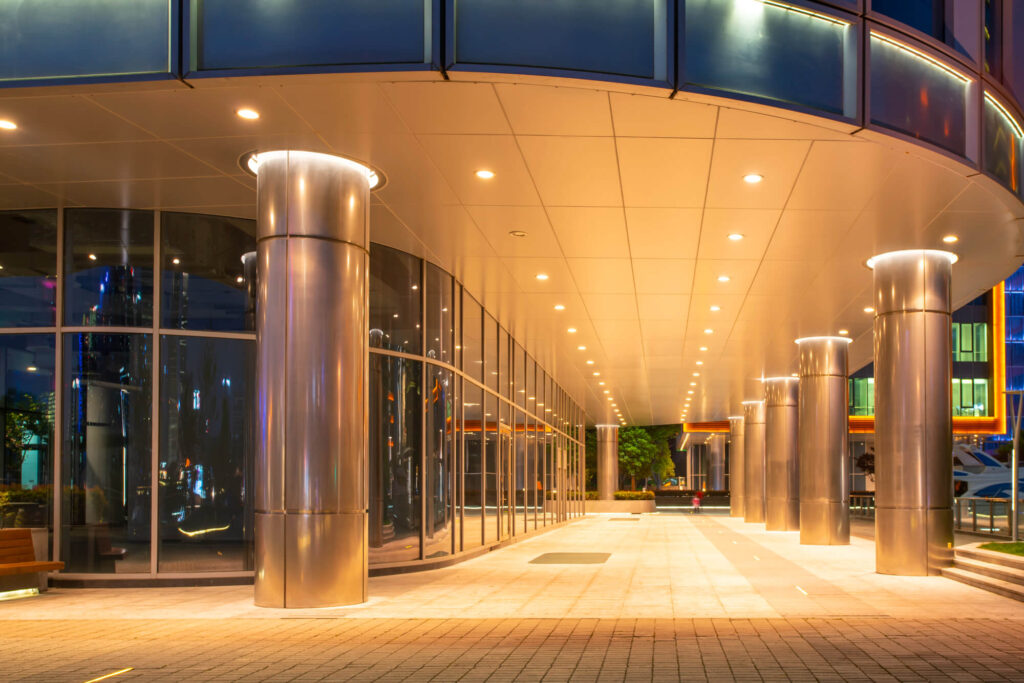
Well-lit surroundings make it much harder for intruders to hide or move unnoticed around a commercial property. Bright lighting at entrances, walkways, parking areas, loading bays, and building perimeters improves both security and safety.
Motion-activated lighting provides additional protection by automatically illuminating areas whenever movement is detected, making suspicious activity easier to identify.
4. Install Alarm Systems
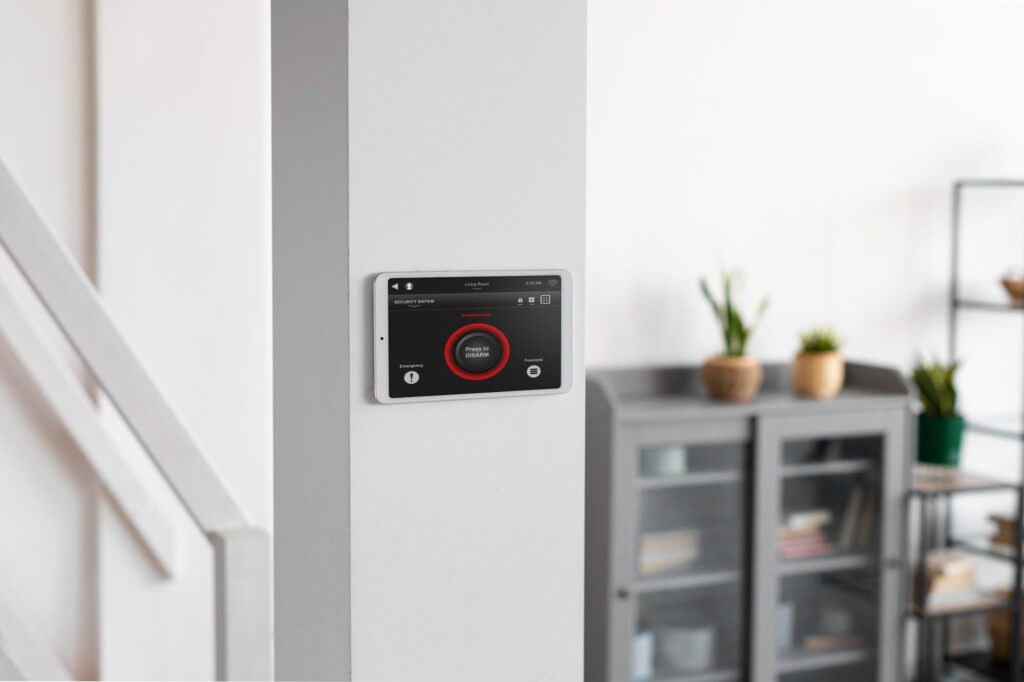
Alarm systems provide immediate warnings whenever unauthorised access or suspicious activity is detected. Once triggered, alarms notify security personnel or property managers, allowing them to respond quickly.
When integrated with CCTV surveillance, alarm systems provide an additional layer of protection for doors, windows, restricted zones, and other vulnerable areas throughout the property.
5. Secure All Entry Points
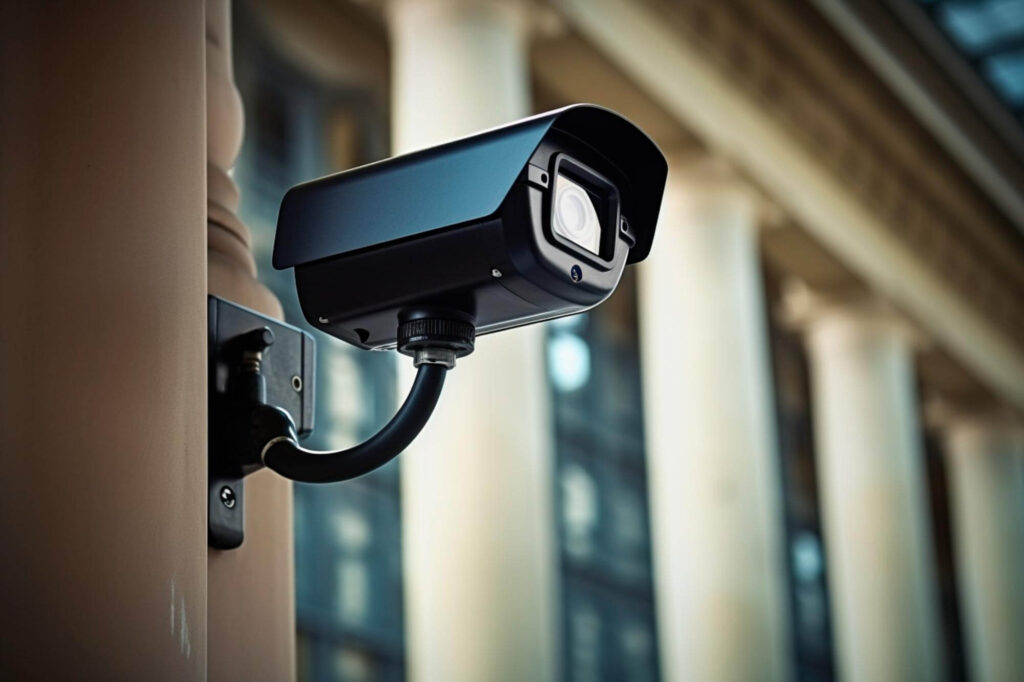
Entrances remain one of the most common targets for intruders. Doors, windows, gates, roller shutters, and service entrances should all be secured using durable locks, reinforced materials, and appropriate security devices.
Regular inspections help identify damaged locks, weak access points, or maintenance issues before they become security vulnerabilities.
6. Use Intercom and Visitor Management Systems
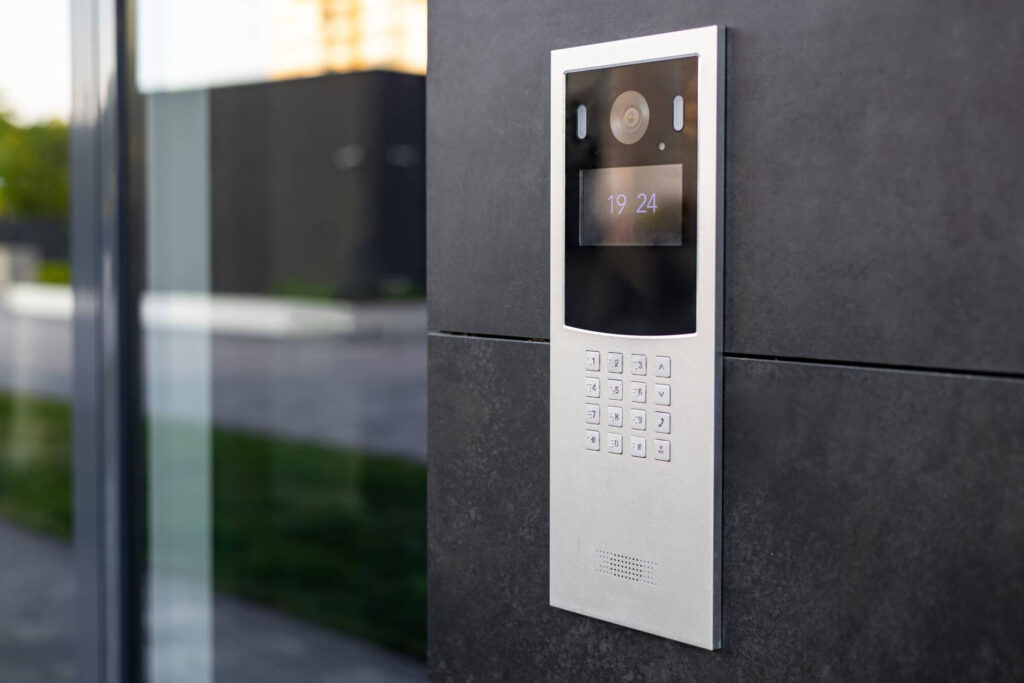
Visitor management systems improve building security by verifying every visitor before granting access. Intercom systems allow reception staff or security personnel to communicate directly with visitors and confirm their identity before opening doors or gates.
Maintaining visitor records also provides an additional layer of accountability and improves access management throughout the property.
7. Regular Monitoring and Security Checks
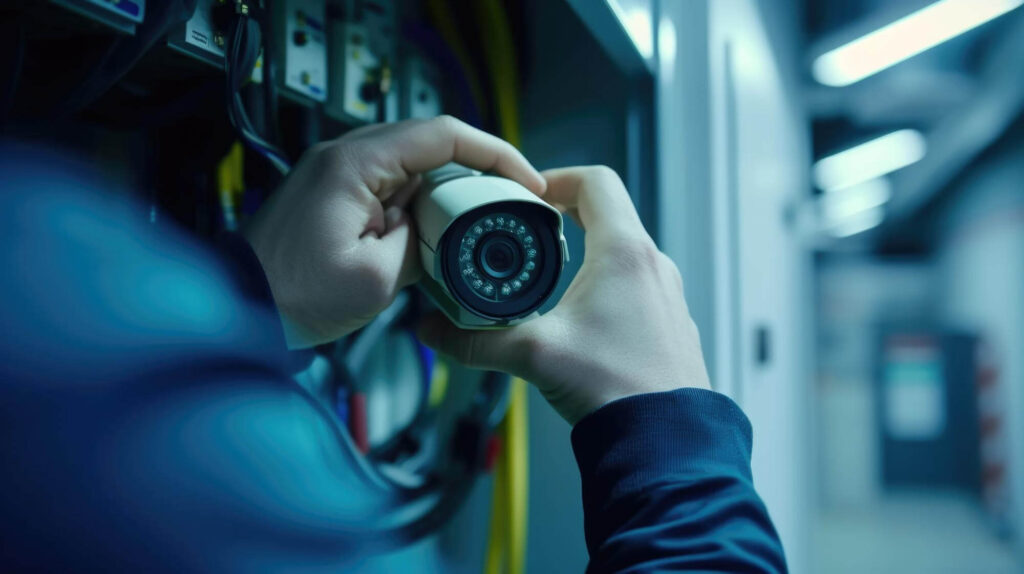
Even the best security systems require regular maintenance to remain effective. Routine inspections should include CCTV cameras, alarm systems, lighting, access control devices, locks, and other security equipment.
Regular testing helps identify faults early, ensuring every component continues operating properly and providing reliable protection for the property.
Common Security Mistakes to Avoid
Even advanced security systems become less effective when common mistakes are overlooked. Avoiding these issues can significantly improve the overall security of your commercial property.
- Install cameras strategically to eliminate blind spots and maximise surveillance coverage.
- Avoid relying solely on locks without additional protection such as CCTV, alarms, and access control systems.
- Conduct regular security reviews to identify hidden vulnerabilities and improve overall coverage.
- Replace or upgrade outdated security equipment to keep pace with modern security threats and technology.
Conclusion
Protecting a commercial property requires more than installing a few security devices. A well-planned security strategy combines CCTV surveillance, access control systems, alarm systems, proper lighting, visitor management, and regular inspections to provide comprehensive protection. Together, these measures reduce security risks, safeguard valuable assets, and create a safer working environment for employees and visitors.
By addressing potential weaknesses early and investing in reliable security solutions, businesses can minimise costly incidents and operate with greater confidence. Kirin CCTV provides professional commercial security solutions designed to help businesses protect their premises with dependable surveillance, monitoring, and access control systems.